Friday, March 30, 2012

More Sociology Resources--The Society Pages

A couple more resources that will likely help you out are the following two items.  If you are on Twitter, check out this particular feed--they have several good links.  From their profile, "TSP is a social science edited by Doug Hartmann & Chris Uggen fea. accessible articles, fun podcasts, & lively blogs."  They come from an academic viewpoint, so what they share is great for you as an instructor to bone up on your theoretical background.  Advanced students may be able to use some of the content for a deeper understanding as well.

https://twitter.com/#!/TheSocietyPages

The Society Pages also has a website devoted social science and a page dealing with teaching sociology. Both are definitely worth checking out.
http://thesocietypages.org/teaching/

Check out their home page for so many resources:
http://thesocietypages.org/


The Teaching High School Sociology web site

Thursday, March 29, 2012

Ongoing Student Feedback

I read an article in the New York Times about obtaining regular feedback from students within the context of one professor's engineering classes.  The article can be found here:  http://www.nytimes.com/2012/03/29/education/boston-professor-uses-frequent-feedback-from-class-as-teaching-aide.html?_r=2&sq=feedback%20from%20students&st=cse&scp=1&pagewanted=all

After reading that article, I had realized that written student evaluations of my work had largely become a thing of the past for me.  Currently, I have been using only verbal feedback and only sporadically.  Using a simple format of a few key questions, I can find out what my students are preferring (outside of the first day questionnaire I give).

One could examine this practice from both a psychological and a sociological point of view, especially from Marxist and Symbolic Interactionist theories.  What is the teacher doing that influences the power structure?  Is s/he giving up power or gaining power by obtaining feedback?  What are the intended and unintended consequences of the practice?  Does this symbolic deference to the students and their view diminish the status of the teacher?  If so or if not, why?

I will personally be using this practice more formally this semester.


The Teaching High School Sociology web site

Tuesday, March 27, 2012

The Hunger Games and Racism

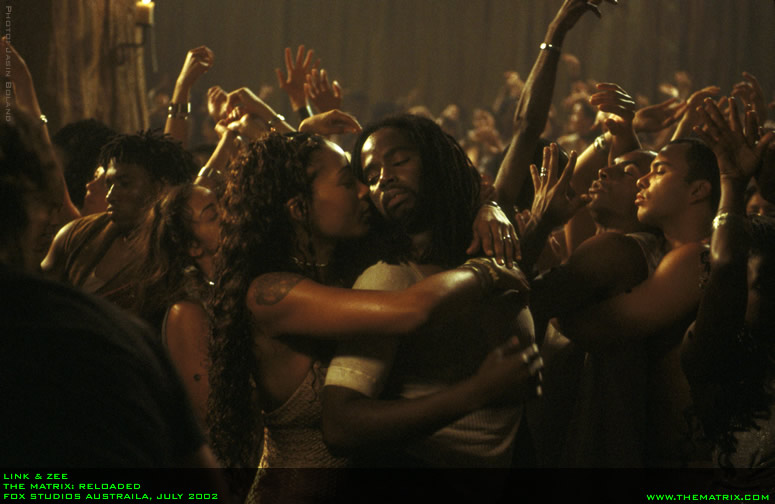
I've not read The Hunger Games series, but the premise sounds interesting to me.  However, what really got to me was this article from jezebel.com about the seeming racism of the movie's fans.  I guess I really should not be surprised, but something similar happened with the second and third Matrix movies when most of the supporting characters were cast as people of color.

This is a great read for dissection with your students.

Racist Hunger Games Fans Are Very Disappointed


Addendum:
After the initial post, I found the following links to this issue:

Here are a couple links to follow up to the initial reactions.  Seems like some ripe fodder for a sociology discussion:
http://jezebel.com/5896688/i-see-white-people-hunger-games-and-a-brief-history-of-cultural-whitewashing 

http://www.forbes.com/sites/erikkain/2012/03/27/racist-reaction-to-the-hunger-games-reminds-us-that-free-speech-is-a-good-thing/

http://jezebel.com/5896515/a-character+by+character-guide-to-race-in-the-hunger-games


The Teaching High School Sociology web site

Monday, March 26, 2012

When Did the Pink for Girls/Blue for Boys Begin?

I just discovered this particular article from Smithsonian magazine.  It's a cool read giving some great history behind the "longstanding tradition" of separating the sexes by color.

In addition to the history, there is also a wonderful slideshow with a variety of styles.

When Did Girls Start Wearing Pink?


The Teaching High School Sociology website

Sunday, March 25, 2012

Survival in America if You Are Young and Black

I read this in Time magazine and then found the online version.  I just find this reality so disturbing.

"How to Talk to Young Black Boys About Trayvon Martin"

Read more: http://ideas.time.com/2012/03/21/how-to-talk-to-young-black-boys-about-trayvon-martin/#ixzz1q9KqqE75

Students who are white need to learn that this is a reality for people of color.  It is not just something that occurred in the history books, sometime in the distant past.  This is people's reality now.  My student population is 60% Latino.  They face similar issues.  We must do what we can to reduce/remove this reality from our world.

Teaching High School Sociology Website


Thursday, March 22, 2012

Learning to Be Racist in South Africa

Learning to Be Racist in South Africa
I discovered this BBC post while perusing Twitter this evening.  Disturbing to say the least.


https://sites.google.com/site/teachinghighschoolsociology/